

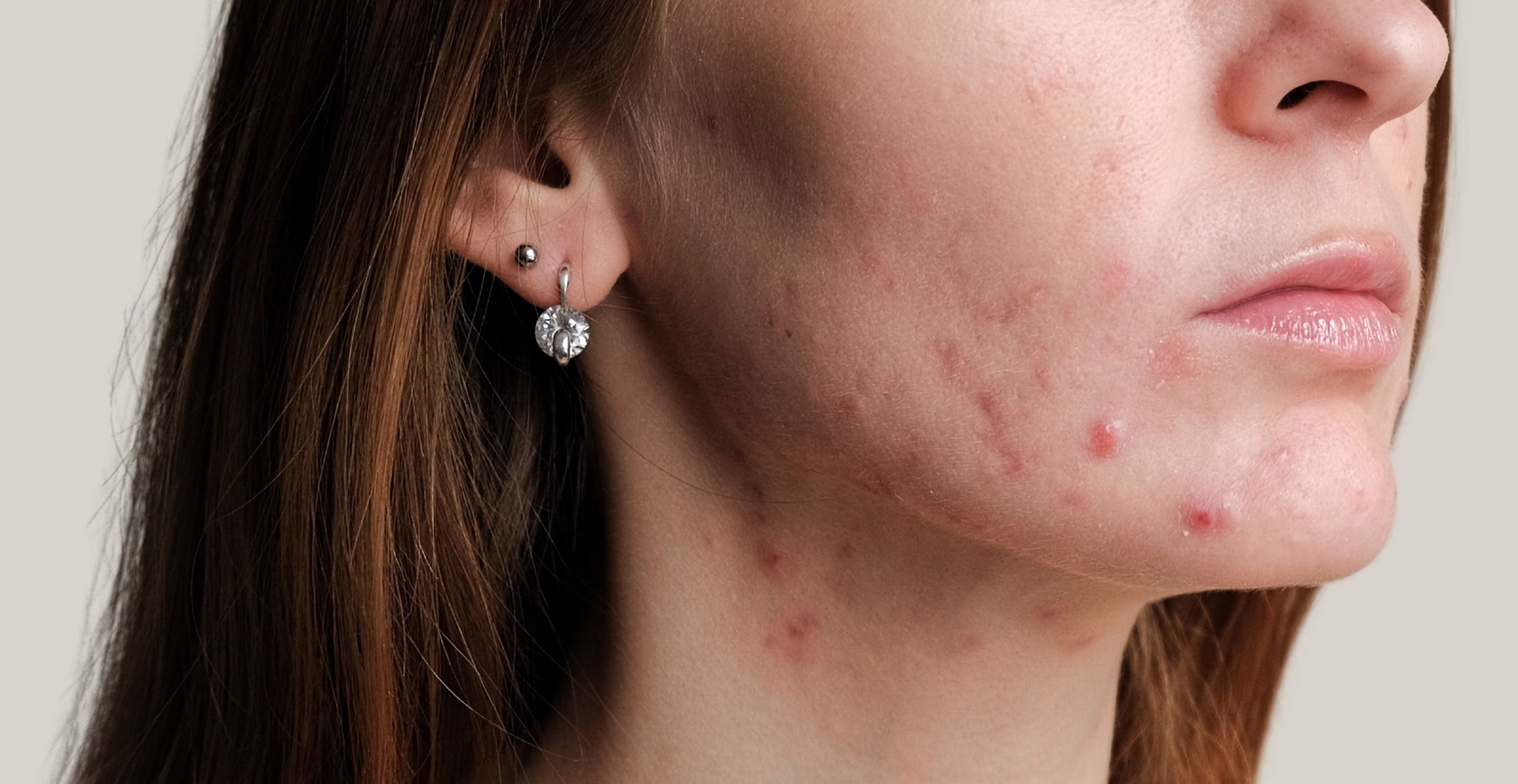
If you have noticed spots primarily along your jawline, chin or lower face in your 40s to 50s, you are not alone. Menopause acne is extremely common and is often linked to hormonal changes occurring within the body.
Acne is often thought of as a teenage concern. However, many women experience acne well into adulthood. For some, breakouts appear for the first time during perimenopause and menopause.
At STORY Clinics, our team of doctors and skin specialists regularly support patients experiencing adult acne during perimenopause, menopause and post-menopause. Through an advanced skin analysis, medical-grade skincare and personalised treatment plans, we help patients understand and treat their skin.
In this blog, we explore commonly asked questions and treatment options.
What is Menopausal Acne?
Menopausal acne refers to acne that develops during perimenopause, menopause or post-menopause.
Perimenopause is the first transitional phase leading up to menopause. Hormone levels begin to fluctuate, often causing changes throughout the body, including the skin.
Many women notice:
- Increased breakouts
- Oily skin
- Congested pores
- Painful cystic spots
- Acne around the chin and jawline
- Slower skin healing
- Acne scarring
Does Menopause Cause Acne?
Yes, menopause can cause acne.
During perimenopause and menopause, levels of oestrogen decline. Oestrogen plays an important role in maintaining healthy skin. As oestrogen decreases, the relative effect of androgen hormones becomes more noticeable. These hormones can increase oil production within the skin. Excess oil combines with dead skin cells and bacteria, leading to blocked pores and breakouts. Hormonal fluctuations can also increase inflammation, making spots appear redder, larger and more persistent.
Why Am I Suddenly Getting Acne in My 40s or 50s?
There are several common triggers for adult acne in women.
Hormonal Changes
The most common cause of menopausal acne is hormonal fluctuation. Changes in oestrogen and androgen levels can stimulate excess sebum production and contribute to clogged pores.
Stress
Increased cortisol levels can worsen inflammation and trigger breakouts. Stress can often be related to responsibilities, careers and lifestyle pressures.
Changes in Skin Function
As we age, cell turnover slows down. Dead skin cells remain on the surface for longer, increasing the likelihood of congestion and blocked pores.
Skincare Products
Using overly rich or unsuitable products can contribute to breakouts. Many women switch to heavier moisturisers during menopause to combat dryness. Some formulations may be too occlusive for acne-prone skin.
Diet and Lifestyle Factors
Certain dietary triggers may contribute to inflammation in susceptible individuals. Poor sleep, smoking and excessive alcohol consumption may also affect skin health.
How Long Does Menopausal Acne Last?
There is no single answer.
Some women experience breakouts for a few months. Others may notice acne throughout perimenopause and beyond menopause.
The good news is that effective treatment options are available. With a tailored treatment plan, including the right skincare and in clinic treatments, most patients can achieve significant improvements in both active acne and acne scarring.
How to Treat Menopausal Acne
Best skincare products for treating menopausal acne
Skincare plays an important role in managing menopausal acne. However, not all products are suitable.
Ingredients That Can Help Menopause Acne
- Salicylic acid helps unclog pores and reduce congestion.
- Niacinamide can help regulate oil production and calm inflammation.
- Azelaic acid may improve acne, redness and pigmentation.
- Retinoids support cell turnover and help prevent blocked pores.
- Ceramides strengthen the skin barrier and reduce irritation.
- Hyaluronic acid supports hydration without increasing oiliness.
Ingredients to Use Carefully
- Heavy oils and occlusive products may worsen congestion for some people.
- Over-exfoliation can damage the skin barrier and increase inflammation.
- Highly fragranced products may trigger irritation and sensitivity.
Every patient’s skin behaves differently. Professional advice can help determine which ingredients are most suitable.
Top-Rated Acne Treatments during Menopause
Professional treatments work in harmony with skincare when advised by skin specialists and aesthetic doctors. At STORY Clinics, treatment recommendations at Southwell and Marylebone are tailored following a thorough consultation and skin assessment.
OBSERV Skin Analysis
Every treatment journey starts with understanding the skin. An OBSERV skin analysis provides an in-depth assessment of your skin’s health.
This helps identify:
- Congestion
- Inflammation
- Pigmentation
- UV damage
- Skin barrier concerns
From here, our skin specialists and aesthetic doctors, create a comprehensive, personalised treatment plan.
Chemical Peels for Adult Acne
Chemical peels are one of the most effective treatments for acne-prone skin. Helping to exfoliate the skin, accelerate cell turnover and reduce congestion. At STORY Clinics, we offer a range of professional peels, including AHA, BHA and Retinol chemical peels. This ensures treatments are tailored to your skin’s needs.
Chemical peels can help reduce breakouts, improve skin texture, brighten dull skin and target mild to moderate post-inflammatory pigmentation. Regular treatments are beneficial.
Microneedling for Acne and Acne Scarring
Microneedling is an excellent option for patients looking to improve their skin without injectable treatments. By creating controlled micro-injuries within the skin, the treatment stimulates collagen production and encourages the skin’s natural healing process.
Once active acne is under control, microneedling can help soften acne scars, refine uneven texture and minimise the appearance of enlarged pores. Some patients choose to combine microneedling with other treatments to achieve optimal results.
Exosome Therapy
Exosomes support the skin’s natural repair processes and can be particularly beneficial for skin affected by inflammation or previous acne damage.
When combined with microneedling, exosomes can enhance results by accelerating recovery and supporting collagen production. Patients often notice improvements in skin texture, redness and resilience, alongside a healthier, more radiant complexion.
IPL Skin Rejuvenation
For patients experiencing redness, broken capillaries or pigmentation left behind after acne, Intense Pulsed Light treatment (IPL) can be an effective solution. This treatment can be particularly valuable for those with post-inflammatory redness following hormonal acne. IPL is available exclusively at our Marylebone clinic.
Profhilo®, Skin Boosters and Polynucleotides
Menopause often brings changes beyond acne alone. Many women notice increased dryness, dullness, crepey skin and a loss of overall skin quality. Injectable skin rejuvenation treatments can help address these concerns while supporting healthier, stronger skin.
Profhilo® is a unique injectable treatment made from hyaluronic acid. Rather than adding volume, it works by deeply hydrating the skin and stimulating collagen and elastin production. It is particularly beneficial for patients experiencing thinning, dehydrated or ageing skin. Most patients require two treatments, spaced four weeks apart, with minimal downtime other than small injection marks that typically settle within 24 hours.
Skin boosters also contain hyaluronic acid but are designed to improve hydration and skin quality in specific treatment areas. They can help restore glow, improve texture and enhance skin smoothness. A course of two to three treatments is often recommended, with little downtime beyond temporary redness or swelling.
Polynucleotides work differently by supporting cellular repair and tissue regeneration. They help improve skin quality from within and are ideal for patients concerned about skin fragility, fine lines and overall skin health. Most treatment plans involve three sessions, spaced a few weeks apart, with gradual improvements developing over several months.
Profhilo® Structura
Profhilo® Structura has been developed to address one of the most significant changes associated with ageing and menopause: the loss of supportive facial fat. Unlike traditional Profhilo®, which focuses on hydration and skin quality, Profhilo® Structura works deeper within the tissues to regenerate subcutaneous fat and improve facial support.
This makes it an excellent option for patients experiencing facial hollowing, sinking or sagging around the cheeks and lower face. Results are subtle and natural-looking.
Dermal Fillers
Hormonal changes during menopause can contribute to volume loss, deeper folds and changes in facial contours. Dermal fillers can help restore lost support, soften lines and enhance facial harmony while maintaining a natural appearance.
Common treatment areas include the cheeks, chin, jawline and lower face. At STORY Clinics, all dermal filler treatments are performed by experienced medical practitioners who focus on achieving refreshed, balanced results that complement your natural features rather than changing them.
Treatment Stacking for Menopausal Skin
Combination treatment plans often deliver the best results. For some patients, this may involve trusted skincare formulas alongside professional skin treatments. For others, injectable treatments may also play a role in supporting overall skin health and rejuvenation.
Your treatment journey should feel personalised, achievable and aligned with your goals.
At STORY Clinics, our medical-led approach explores your concerns, lifestyle, medical history and treatment preferences before creating a tailored plan. Knowing where to begin can often feel overwhelming, which is why we recommend our Dual Consultation at Marylebone or Southwell. This comprehensive appointment includes an advanced skin analysis and consultation with both a skin practitioner and aesthetic doctor.
Why Professional Guidance Matters
Many patients spend years trying different products without success. Acne during menopause is complex and requires a tailored approach.
A knowledgeable practitioner with a medical background can identify contributing factors and recommend suitable treatments. This ensures your treatment plan addresses both internal and external factors affecting the skin.
Whether you are experiencing perimenopausal acne, menopause acne, post-menopausal breakouts or acne scarring, our team is here to help.
Book a consultation at STORY Clinics in Southwell, Nottinghamshire or Marylebone, London to begin your personalised skin journey and discover a treatment plan designed around your unique skin needs.
Clearer, healthier skin starts with understanding your story.
This article is for informational purposes only. Always consult a qualified healthcare professional before undergoing aesthetic treatment.