

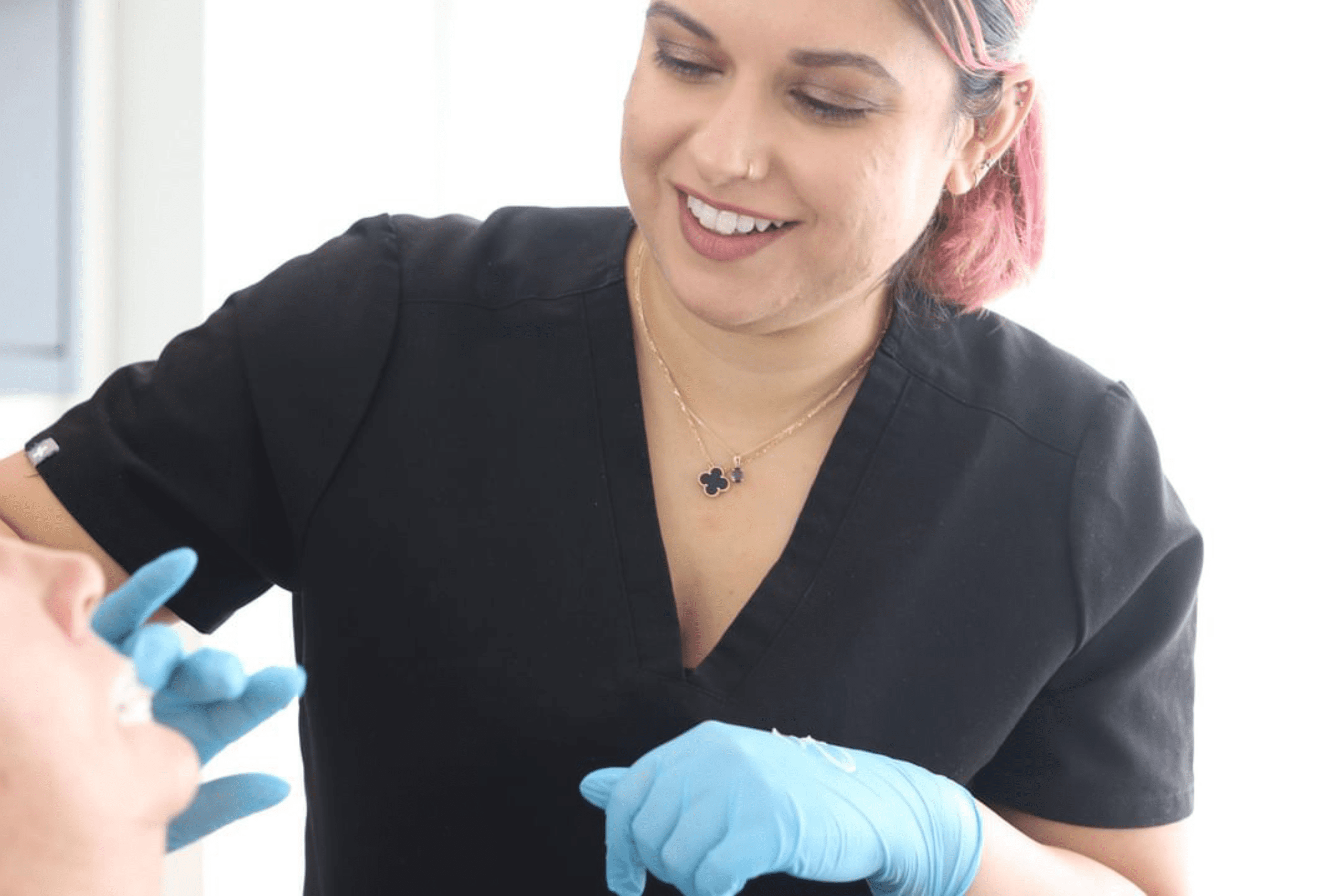
Profile balancing has become a popular term in aesthetics, referring to non-invasive treatments like dermal fillers, to enhance facial harmony by addressing asymmetrical features. Many patients visit STORY clinics seeking a natural, refined and balanced look.
To explore the benefits of profile balancing, we spoke with Dr Harpreet from our Southwell Clinic. Specialising in chin and midface fillers, Dr Harpreet shares insights into how these subtle yet impactful treatments enhance facial proportions.
What is profile balancing, and how does it differ from individual filler treatments?
“Individual filler treatments focus on enhancing a single facial feature, such as the lips, cheeks, or jawline. In contrast, profile balancing takes a holistic approach, ensuring all facial features are proportionate and balanced. Specific measurements and artistic principles guide the assessment, leading to a natural and subtle result. By treating the face as a whole, we avoid a single feature standing out disproportionately, which can sometimes appear unnatural.”
Are you seeing a rise in patients requesting treatments to achieve a more balanced profile?
“Definitely. Profile balancing has gained significant visibility on social media, and more people are embracing holistic treatment plans that address the root causes of their aesthetic concerns rather than just treating isolated areas.”
What areas of the face are typically assessed in profile balancing?
“We divide the face into three sections and assess each in relation to the others. Imagine your face divided into three equal sections. The top section runs from your hairline to your eyebrows. The middle section stretches from your eyebrows to the base of your nose. The bottom section goes from the base of your nose to your chin. In profile balancing, we look at how these three sections work together, ensuring each part complements the others.
Additionally, we consider multiple layers, including bone structure, fat pads, muscle movement, and skin quality. The key anchor points in profile balancing are the cheeks, chin, and jawline.”
Who is a good candidate for profile balancing?
“The best candidates are those noticing age-related changes, as the ageing process affects the entire face. Profile balancing helps to address these underlying causes and restore facial harmony.”
How do you determine what treatments someone needs for a balanced profile?
“The process begins with a thorough consultation, including a history and physical examination. We analyse facial proportions in thirds to ensure each section is balanced. Evidence-based measurements guide treatment planning for areas like the cheeks and chin. Additionally, we use the Observ machine to analyse facial proportions in detail.”
What types of dermal fillers are used in profile balancing, and how do they work?
“We use hyaluronic acid (HA) fillers of varying consistencies based on the treatment area. Firmer fillers enhance bony contours like the cheeks, chin, and jawline by providing structural support. Softer fillers are used in more mobile areas, such as the lips and nasolabial folds, for seamless integration with facial tissues.”
Are there any non-filler treatments that can be used for profile balancing?
“Anti-wrinkle injections can play a key role in profile balancing by modifying muscle movement, particularly in areas contributing to asymmetry, such as the forehead and mouth. It can also be used to slim the jawline by treating the masseter muscles. Additionally, Morpheus8 is effective in addressing jowls and reducing heaviness in the lower face.”
How do you ensure results look natural rather than overdone?
“We take an individualised approach, assessing each patient’s unique facial structure rather than applying a one-size-fits-all method. Using the minimum amount of filler necessary prevents overfilling. Proper product selection and adherence to evidence-based guidelines ensure well-balanced facial proportions and consistent, natural-looking results.”
Can profile balancing be done in a single session, or does it require multiple appointments?
“This depends on the amount of filler used and the patient’s preference. Larger treatments may be spread across multiple sessions for a more comfortable experience. Smaller adjustments can typically be done in one session. We always recommend a follow-up appointment two weeks after treatment to assess the final results once any swelling has subsided.”
How long do results typically last, and how can they be maintained?
“Most fillers last between 18-24 months, depending on the type used. Before considering repeat treatments, we recommend a consultation with comparison photos. Results can be prolonged with proper skincare, and maintenance treatments in specific areas help sustain the overall effect.”
How do you manage asymmetry or uneven results?
“Every face has natural asymmetry, and complete symmetry can sometimes appear unnatural. Observ analysis often highlights this. In cases of significant asymmetry, we adjust the amount of filler used to create better balance. If post-treatment concerns arise, we can refine the results by adding more filler or, if necessary, dissolving existing filler.”
Can profile balancing help with concerns like a weak chin or a recessed jawline?
“Absolutely. Profile balancing is an excellent solution for these concerns. Enhancing projection in the lower face improves overall facial harmony, particularly in male patients or for gender-affirming treatments.”
Will profile balancing affect facial expressions or movement?
“Correctly placed filler should not impact facial movement or expressions. When toxin is used in conjunction, it may temporarily reduce movement in targeted areas like the forehead or masseters, but this is intentional and controlled.”
What other treatments do you recommend combining with profile balancing?
“Addressing skin quality is crucial for achieving the best results. Think of it like having a beautiful oak table—you want to appreciate the wood itself, not have it covered by a poor-quality tablecloth. Skin boosters and Profhilo improve hydration and texture, while regenerative treatments like Morpheus8 help with skin laxity in the lower face, particularly for concerns like jowls. These treatments complement profile balancing by refining the overall appearance of the skin and enhancing treatment outcomes.”
At STORY, we pride ourselves on delivering exceptional care. Our team of level 7 qualified doctors represents the pinnacle of aesthetic medicine expertise. We don’t just offer treatments; we create personalised journeys tailored to your unique aesthetic goals. Every treatment begins with a comprehensive consultation, where we listen, understand, and craft a bespoke plan designed specifically for you.
If you want to learn more about profile balancing or any of our treatments, book a free consultation today.